
Overview
Starting investigations with what teams can see
A global aluminum manufacturer needed a better way to investigate product and surface-quality issues across its operations. The company produces flat-rolled aluminum products and serves demanding end markets where product quality, consistency, and traceability are critical.
When potential defects were identified, teams needed to determine quickly whether the issue had occurred before, what related products might be affected, and what documentation or prior history could help guide the response.
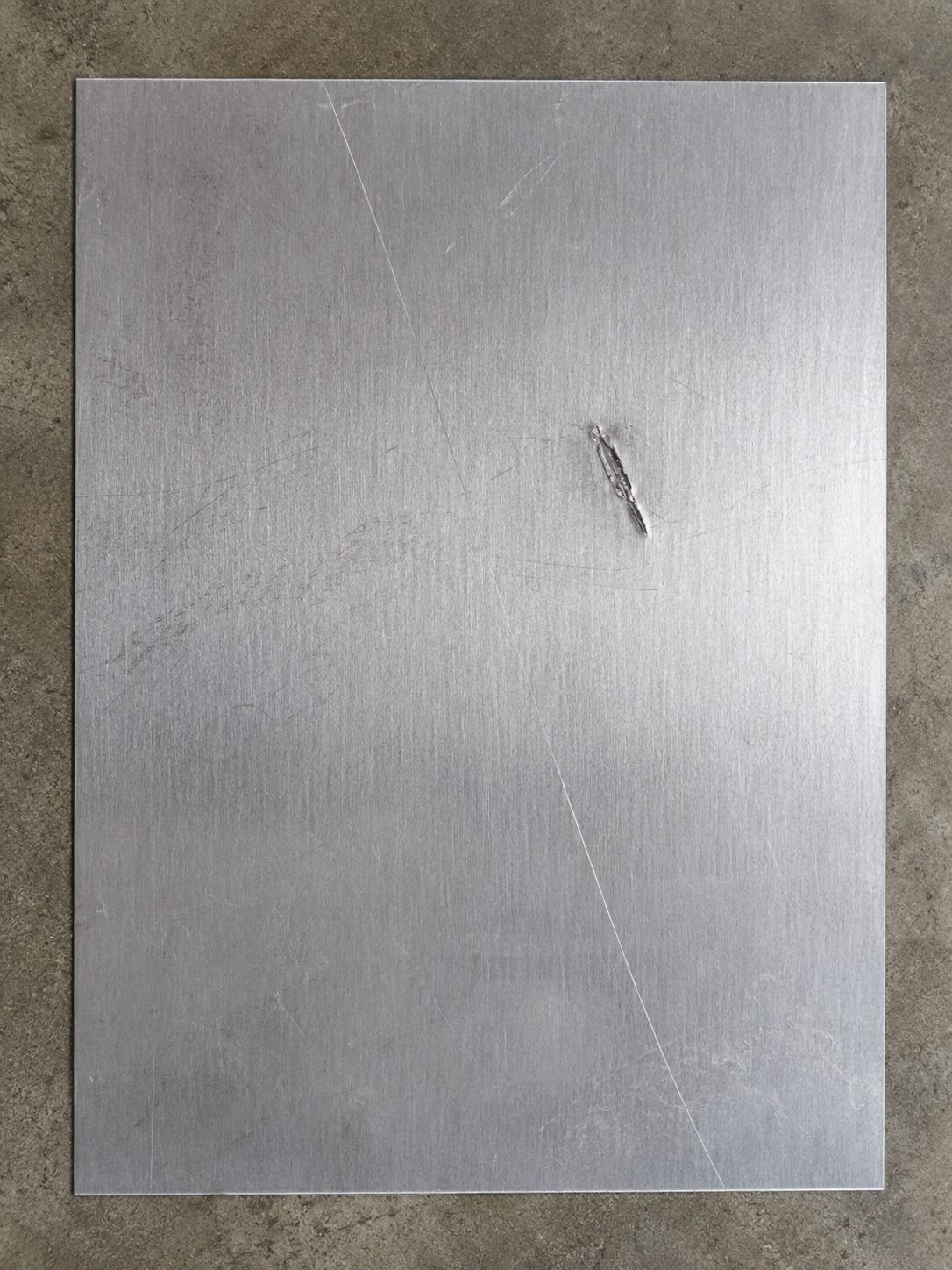
VizSeek helped the organization improve how teams searched for and compared defect-related information by allowing users to begin with what they could see: a defect image, a part image, or a drawing reference.
The Challenge
The challenge
Quality and engineering teams had access to inspection images, technical drawings, product documentation, and historical quality records. But when a defect appeared, investigators often had to manually search through folders, reports, and internal systems to understand whether the issue was isolated or part of a larger pattern.
Needed Capabilities
- Compare new defect images against historical examples
- Connect visual issues to the right product records and documents
- Identify repeat patterns across parts, processes, or production areas
- Reduce time spent searching during quality investigations
- Improve consistency across teams reviewing similar issues
The Solution
The solution
VizSeek was deployed to support visual search and connected retrieval across the manufacturer's engineering and quality information. When an inspector or engineer captured an image of a suspect condition, VizSeek could analyze the visual characteristics of that image and return similar examples from the indexed library.
Those results could then be connected to related part data, drawings, inspection records, and supporting documents. Users could search by the actual appearance of the issue, not just by keywords or filenames.
Visual conditions
Surface scratches and scuffs
Dents and handling damage
Coating or finish inconsistencies
Edge-condition issues
Recurring visual anomalies on rolled or processed material
Other quality conditions where prior visual examples matter
Workflow
How it worked in practice
In one typical workflow, a quality team member identified a visible issue on an aluminum product and submitted an image into VizSeek. Instead of starting from scratch, the system returned visually similar images from prior history, along with related engineering and quality context.
01
Similar prior defect images
02
Associated product references
03
Related drawings and specifications
04
Linked inspection documentation
05
Historical records tied to comparable issues
Results
Results
The biggest value came from shortening the time between identifying a defect and understanding its context. Teams no longer had to rely as heavily on manual browsing or individual experience to find comparable cases.
- OK Faster investigation of visual quality issues
- OK Better reuse of historical defect knowledge
- OK Improved consistency in comparing similar conditions
- OK Greater visibility into repeat issues
- OK A more scalable process for defect-related search across teams
Why It Mattered
Why it mattered
For a large aluminum producer operating across multiple products and industrial markets, defect investigation is not just about spotting an issue. It is about understanding whether that issue is recurring, where else it may appear, and what prior information already exists inside the business.
VizSeek helped bridge that gap by connecting defect images to the broader engineering and quality record. Instead of treating each quality event as a separate manual exercise, the manufacturer gained a faster way to search visually, compare historically, and investigate with better context.
Conclusion
Conclusion
VizSeek helped a global aluminum manufacturer improve the speed and consistency of defect investigation by combining visual search with connected access to engineering and quality information. By enabling users to start with an image and quickly retrieve similar cases and related records, the company strengthened its ability to investigate surface and product-quality issues across a complex manufacturing environment.